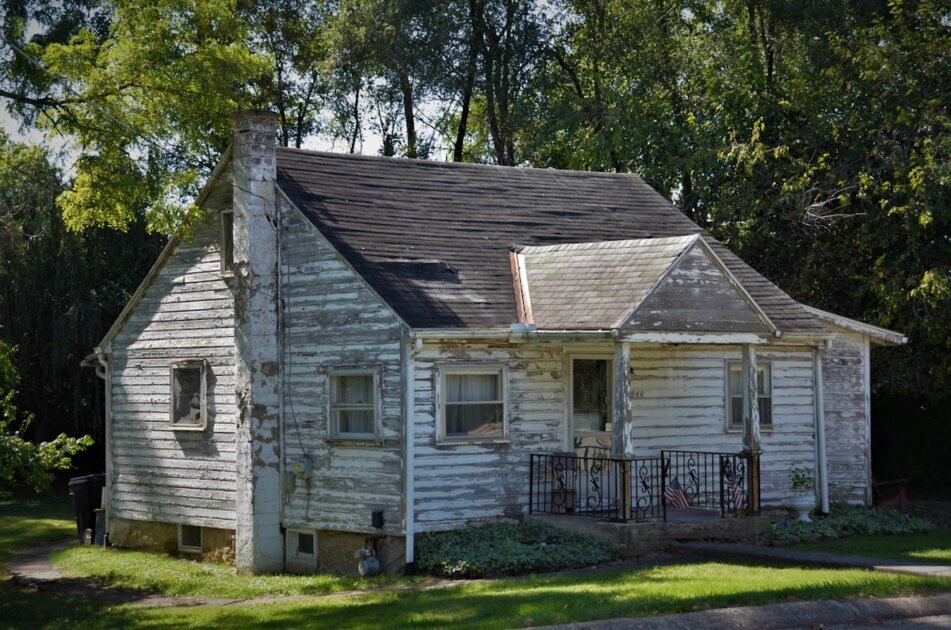
If you’re sitting in a house with creaky floors, drafty windows, and a heating bill that keeps climbing, you’re not alone. Millions of Americans struggle with aging homes that drain their wallets and compromise their comfort. Here’s the thing that most people don’t realize: the federal government actually has money set aside specifically to help low-income families fix these problems. I’m talking about tens of billions of dollars in grants and assistance programs that go unclaimed every single year because people simply don’t know they exist.
Government home repair grants are financial assistance programs designed to help homeowners, particularly those with limited incomes, make necessary repairs and improvements to their properties. These aren’t loans you’ll pay back with interest—they’re actual grants funded by federal agencies like the U.S. Department of Housing and Urban Development (HUD), the U.S. Department of Agriculture (USDA), and the Department of Energy. The whole reason these programs exist is because safe, healthy housing shouldn’t be a luxury. When homes fall into disrepair, it creates a domino effect: rising energy costs, health hazards, structural damage that gets exponentially more expensive to fix, and neighborhoods that decline. The government stepped in to prevent exactly that scenario.
Think about it. A single weatherization project in rural Kentucky might include upgrading insulation, sealing air leaks, and replacing an inefficient furnace—work that could cost $8,000 to $15,000 privately, but happens completely free under federal assistance. The same applies whether you’re in Austin, Texas; Buffalo, New York; or Phoenix, Arizona. The programs are nationwide, and the eligibility rules are surprisingly straightforward.
Understanding the Main Federal Programs
Before diving into applications, you need to know which program actually fits your situation. There’s no one-size-fits-all solution, which is exactly why the government created multiple pathways to help.
HUD Community Development Block Grants (CDBG)
The Community Development Block Grants program is one of the oldest and largest federal grant programs out there. HUD distributes roughly $3.5 billion annually to states and municipalities, and a substantial portion goes directly to home repair and rehabilitation projects. What makes CDBG fascinating is its flexibility—local governments decide how to allocate their funds, which means the available assistance varies significantly by location.
In some cities, CDBG money floods into comprehensive home repair programs offering up to $50,000 per household for critical repairs. In other areas, it might focus on weatherization or lead paint abatement. The key is that you’re not applying directly to HUD; you’re applying through your city or county housing authority. Contact your local government’s community development department, and they’ll tell you exactly what’s available in your zip code. Cities like Chicago, Los Angeles, and Miami have some of the most robust CDBG programs, often covering roof repairs, plumbing, electrical work, and foundation issues.
USDA Rural Housing Repair Loans and Grants
If you live in a rural area—defined as anywhere outside metropolitan statistical areas—the USDA has dedicated programs specifically for you. The Section 504 Loan Program and the Rural Repair Grants program offer financing and direct assistance for homeowners earning less than 50 percent of the area median income. What’s particularly generous about the USDA program is that grants (not loans) are available for homeowners 62 and older, regardless of the repair costs. For younger homeowners, you might qualify for loans with interest rates as low as 1 percent, which is essentially free money in today’s economy.
The USDA program covers essential repairs like roof replacement, plumbing, electrical, heating systems, and even accessibility modifications for disabled household members. I’ve seen rural homeowners in states like Iowa, Montana, and Georgia receive grants covering 100 percent of repair costs when they qualify. The application process is straightforward: you work directly with USDA Rural Development offices, provide income documentation, and get a professional home inspection to determine what repairs are necessary.
The Weatherization Assistance Program (WAP)
Here’s where the really transformative energy efficiency money lives. The Department of Energy’s Weatherization Assistance Program is specifically designed to reduce energy consumption for low-income households. In 2025, WAP operates in all 50 states with expanded federal funding, and the program can provide comprehensive home energy audits and upgrades completely free of charge for eligible families.
A typical weatherization project includes air sealing (caulking and weatherstripping), insulation installation, HVAC system tuning or replacement, water heater upgrades, and window repairs. Some homes qualify for heat pump installation as part of the Inflation Reduction Act’s climate resilience initiatives. The energy savings are real—families typically see 20 to 30 percent reductions in heating and cooling costs after weatherization. Multiply that across a 30-year lifespan, and we’re talking about thousands of dollars in savings, plus improved indoor air quality and comfort.
The income limit for WAP is typically 200 percent of the federal poverty level, which in 2025-2026 translates to roughly $27,000 annually for a single person and $55,000 for a family of four. Eligibility varies slightly by state because each state administers its own program through local community action agencies. The waiting lists can be lengthy in some areas—up to two years in high-demand regions—but the investment of patience is worth it when the work is done at zero cost.
How Weatherization Actually Works
Understanding the mechanics of weatherization helps explain why it’s such a game-changer for low-income households. The process isn’t just about slapping some insulation on an attic—it’s a scientific approach to making homes more efficient and livable.
It starts with a comprehensive energy audit conducted by a certified auditor. They use thermal imaging cameras, blower door tests, and other diagnostic tools to identify exactly where your home is losing energy. Maybe there are air leaks around electrical outlets you never noticed. Perhaps your attic insulation is compacted and no longer effective. Your HVAC system might be running continuously because of air leaks that make temperature regulation impossible. The audit pinpoints all of this and creates a prioritized list of improvements with estimated energy savings for each measure.
The weatherization crew then performs the work according to the audit results. They seal air leaks with caulk and foam, install weatherstripping around doors and windows, upgrade insulation in attics and crawl spaces, repair or replace HVAC equipment, and upgrade water heaters. In newer efficiency programs, they might install smart thermostats, LED lighting, or even solar-ready electrical panels. The entire process typically takes two to six weeks depending on the scope of work, and your home should be noticeably warmer in winter and cooler in summer when it’s complete.
What’s truly remarkable is the secondary benefits beyond energy savings. Better insulation means fewer drafts and more stable indoor temperatures. Improved HVAC systems mean better air quality. Sealed air leaks reduce moisture problems and mold risk. Families report being able to heat or cool their homes comfortably without choosing between paying the electric bill or buying groceries—a choice far too many low-income Americans face.
<div style=”background:#f0f0f0;padding:15px;border-left:5px solid #FFD700;”> <strong>⚡ Pro Tip:</strong> Some states now combine weatherization funding with other energy efficiency incentives. Check if your state participates in the Energy Savings Assistance program or utility company rebates. You might qualify for multiple programs simultaneously, multiplying your benefits. </div>
Eligibility Requirements: What You Actually Need
Now for the practical stuff. What actually qualifies you for these programs? The answer varies by program, but there’s significant overlap in the basics.
Income is the primary threshold. Most federal home repair and weatherization programs target households earning 50 to 200 percent of the federal poverty level, depending on the specific program. For 2025-2026, the federal poverty guideline is approximately $14,580 for an individual and $30,000 for a family of four. A household earning up to $30,000 annually (single) or $60,000+ (family of four) will find multiple program options available.
Property requirements are straightforward: you must own the home you’re seeking assistance for. Renters are typically ineligible unless the landlord applies on their behalf, which happens in rare cases. The property must be your primary residence (not a vacation home or investment property), and the home must meet minimum habitability standards. This doesn’t mean it has to be pristine—it means it has functioning plumbing, electricity, and no severe structural hazards that make repairs impossible.
Special considerations apply if you’re a senior citizen, disabled, or have a young child in the home. Some programs reserve funding specifically for these populations, and you might qualify for higher grant amounts or priority processing. For instance, the USDA Section 504 program provides grants (rather than loans) to all homeowners 62 and older, regardless of other factors.
Documentation is essential. You’ll need to gather proof of income (last two years of tax returns, current pay stubs, benefit statements), proof of ownership (deed or tax assessment), property tax records, proof of residency, and a Social Security number for all household members. If you’re applying for emergency repairs or have a hardship situation, keep documentation of the urgent issue—photos of water damage, medical records showing asthma exacerbated by poor air quality, utility bills showing excessive consumption.
The Application Process: Step by Step
This is where dreams become reality. The application process isn’t as intimidating as you might think, though it does require patience and organization.
Step One: Identify the Right Program for Your Situation
Start by determining whether you qualify better for a federal program like USDA (if rural), HUD CDBG (if urban), or weatherization assistance. Visit HUD.gov to search for your local housing authority. For USDA programs, go to rd.usda.gov and use their state office finder. For weatherization, visit Energy.gov and search for your state’s WAP program contact. Each program has different deadlines, income thresholds, and service areas, so doing this homework upfront saves time.
Step Two: Gather Documentation
Create a folder with copies of your tax returns, recent pay stubs, Social Security cards for all household members, proof of residency (utility bill), property deed or mortgage statement, homeowners insurance documents, and any photos of damage or issues you’re addressing. If you have a medical condition exacerbated by poor home conditions, include relevant documentation. Having everything organized and copied prevents delays later.
Start Your Housing Search Today
Don't miss out. Public housing waiting lists in this area are limited and can close quickly. Check your eligibility now.
Step Three: Contact Your Local Program Administrator
Call or visit your local program office. This is crucial. Representatives can tell you about current funding availability, waiting lists, and specific eligibility details in your area. They’ll also tell you if the program is currently accepting applications or has a waiting list. In some areas, weatherization has a two-year wait; in others, it’s six months. It’s better to know upfront.
Step Four: Submit Your Application
Applications are typically simple—usually 5 to 10 pages. You’ll provide basic household information, income documentation, property details, and describe the repairs or improvements you need. Some programs require a homeowner contribution or have cost-sharing arrangements, but many eliminate this for very low-income households. Be honest about your situation; if finances are tight, say so. These programs exist precisely because families are struggling.
Step Five: Home Inspection and Approval
Once your application is approved, the program will schedule a professional home inspection. An inspector assesses the property’s condition, prioritizes necessary repairs, estimates costs, and determines which improvements align with the program’s scope. For weatherization, this is the energy audit. For CDBG, it’s a general home inspection. This step typically takes two to four weeks.
Step Six: Work Begins
After approval, construction or improvement work is scheduled. Depending on the scope, projects take anywhere from one week to three months. You won’t pay anything—the program covers 100 percent of approved work. The contractor is selected by the program (usually through competitive bidding), ensuring quality work at fair prices.
Step Seven: Completion and Follow-up
Once work is finished, a final inspector verifies quality and completion. You’ll receive documentation of the work performed, warranties on new equipment, and energy savings projections. Some programs conduct follow-up visits six months later to ensure everything is functioning properly.
Common Mistakes That Get Applications Rejected
I’ve seen well-meaning families get rejected through simple, avoidable errors. Don’t let this be you.
Incomplete Documentation: Submitting an application without all required documents gets you sent back to the drawing board. Programs are understaffed, and they won’t chase you for missing pieces. Have everything ready before you apply. Two years of tax returns, recent pay stubs, proof of residency—no exceptions.
Missing Deadlines: Some programs have application windows (often annual or semi-annual). If you miss the deadline, you wait until the next window, which might be months away. Mark the deadline in your calendar and submit at least one week early. Better yet, call the program office in advance and confirm the exact deadline.
Applying for the Wrong Program: A homeowner in rural Montana applying to HUD CDBG instead of USDA wastes everyone’s time. Spend 30 minutes up front confirming which program fits your situation. Ask the program administrator directly if you’re unsure.
Overstating Income or Hiding Assets: Income limits exist to ensure resources go to families who truly need them. Being dishonest doesn’t help you—it disqualifies you and potentially exposes you to fraud investigations. Programs verify income anyway through IRS records. Just be truthful.
Waiting Until an Emergency: Sure, urgent repairs sometimes qualify for expedited processing, but you’re far more likely to get approved if you apply proactively. A roof with visible leaks might qualify for emergency assistance faster than a roof with minor deterioration, but you might wait in line either way. Apply early, not in crisis mode.
FAQ: Your Questions Answered
Q: How long does the entire process take from application to completion?
The timeline varies dramatically by program and location. Expect 3 to 6 months for HUD CDBG programs if funding is available, 2 to 3 months for USDA rural programs with standard processing, and 6 months to 2 years for weatherization depending on your area’s waiting list. Some emergency repair programs move faster—potentially within 4 to 8 weeks.
Q: Can renters apply for these programs?
Generally no, unless your landlord applies on behalf of the rental property. Some programs do have landlord incentive programs, but they’re rare. If you’re renting, ask your landlord if they’d be willing to apply. Otherwise, focus on saving for a down payment or exploring emergency assistance for renters through local nonprofits.
Q: What if I don’t qualify for one program but might for another?
This is actually common. You might earn too much for WAP but qualify for HUD CDBG. Or you might live just outside the USDA rural service area. Applying to multiple programs simultaneously (where allowed) increases your chances. Each program has slightly different income thresholds and geographic boundaries.
Q: Will I have to pay taxes on grant money I receive?
Most home repair grants are not considered taxable income. However, grants that fund general home improvements (as opposed to specific repairs) might have tax implications. Verify with your program administrator and consult a tax professional if you’re unsure. Generally, grants for repairs, weatherization, and health/safety improvements are not taxable.
Take Action Today
The barrier to accessing these programs isn’t financial qualification—it’s awareness. Millions of Americans leave money on the table simply because they don’t know these opportunities exist. You’ve now got the knowledge. The next step is action.
Call your local housing authority or city community development department this week. Ask about HUD CDBG home repair programs. Visit Energy.gov and identify your state’s weatherization program. If you’re rural, explore USDA Rural Development. Spend an hour gathering your documentation. Submit an application. Even if you’re on a waiting list, you’re in line for free repairs and energy savings that could transform your home and your life.
The government set aside this funding specifically for families like yours. It’s your tax dollars at work. Honestly, the only mistake you can make at this point is not applying.
Referensi
HUD.gov – https://www.hud.gov/
Department of Energy Weatherization Assistance Program – https://www.energy.gov/eere/weatherization-assistance-program
USDA Rural Development Housing – https://www.rd.usda.gov/programs-services/all-programs/rural-housing-service-home-repair-loans-and-grants-section-504
Energy.gov Program Locator – https://energy.gov/
Federal Poverty Guidelines 2025 – https://aspe.hhs.gov/
Start Your Housing Search Today
Don't miss out. Public housing waiting lists in this area are limited and can close quickly. Check your eligibility now.