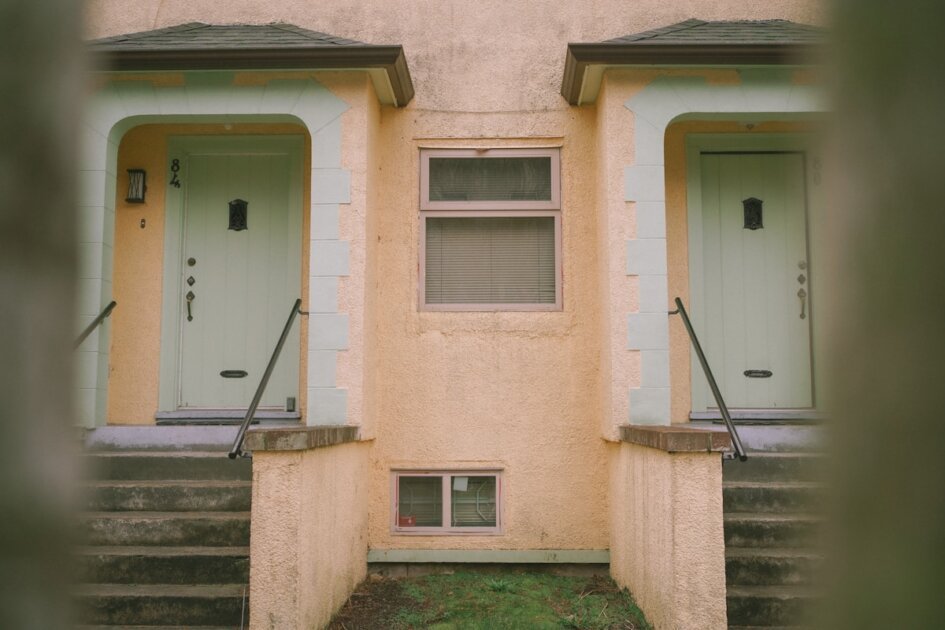
Section 8 Housing Waiting List 2026 How to Apply and Check Status Online
Look, I’m not gonna sugarcoat it—finding affordable housing in 2026 is absolutely brutal. Rents keep climbing, wages stay flat, and families are genuinely struggling. That’s where Section 8 comes in. This federal program has helped millions of Americans access safe, decent housing without getting crushed by their rent bills. But honestly, applying for Section 8 can feel like navigating a maze in the dark. Between the documentation, waiting lists, and honestly way too many scams, it’s easy to feel overwhelmed.
Here’s the good news: once you understand the process, it becomes manageable. This guide walks you through exactly how to apply for Section 8 in 2026, how to check your status online, and—real talk—what to watch out for so scammers don’t steal your shot at affordable housing.
What Is Section 8 Housing and Why It Matters in 2026
Let me start with the basics, because Section 8 gets thrown around a lot but not everyone knows exactly what it means.
Section 8, officially called the Housing Choice Voucher Program, is a federal housing assistance program run by the U.S. Department of Housing and Urban Development (HUD). Think of it like this: instead of the government building and running apartment complexes, they give vouchers to low-income families that they can use with private landlords. The government pays a portion of your rent directly to the landlord, and you pay the difference.
The beauty of Section 8 is flexibility. You’re not stuck in one government building. You can find a place that actually works for your family—in a neighborhood you want, near your job, close to schools. That’s huge. It’s not a handout; it’s a partnership that lets people with limited income live with dignity.
In 2026, demand is absolutely insane. Low-income housing remains critically short across the country. Families are stuck choosing between paying rent or buying groceries. The elderly are being pushed out of neighborhoods they’ve lived in for decades. People with disabilities can’t find accessible units they can afford. Section 8 doesn’t solve everything, but it genuinely changes lives. That’s why millions of people are waiting for vouchers. That’s also why waiting lists are closed in many areas—there simply aren’t enough vouchers to go around.
Section 8 Eligibility Requirements 2026
Before you even think about filling out an application, you need to know if you actually qualify. This is where a lot of people get discouraged, but stick with it—eligibility is more flexible than you’d think.
The biggest requirement is income. Your household income must be below 50% of your area’s median income. Now, what that actually means depends entirely on where you live. If you live in a rural area with a lower cost of living, that threshold is lower. If you’re in New York or Los Angeles, it’s significantly higher. A family of four in rural Kansas might qualify at $35,000 a year, while that same family in San Francisco could have income up to $75,000 and still qualify. This is why you absolutely need to check with your local Public Housing Authority (PHA)—they’ll tell you the exact income limit for your household size and area.
Income limits also got adjusted for 2026. HUD updated inflation factors, so some areas went up slightly while others went down a tiny bit depending on local economic conditions. Nothing dramatic, but it’s worth knowing that the numbers shift annually.
Beyond income, citizenship and immigration status matter. You need to be a U.S. citizen or have eligible immigration status. Your PHA will ask about this during the application process. If you have family members with mixed status, still apply—some members of your household can be citizens while others have valid immigration documents, and the program can work with that.
Asset limits are another thing people worry about. Here’s what matters: you can have up to $105,574 in assets in 2026. That’s not nothing. You could have savings, own a car, have some investments—the program isn’t trying to lock you out if you’ve been responsible with money. They’re looking to help people who are struggling with current income, not strip assets from people who’ve saved smartly.
Criminal background stuff gets tricky. You won’t automatically be denied if you have any criminal history—the PHA looks at the nature of the offense, when it happened, and whether you’ve shown rehabilitation. Recent violent crimes or drug manufacturing are huge concerns, but they’ll evaluate on a case-by-case basis. Don’t assume you’re automatically disqualified. Apply anyway.
For the head of household, you typically need to be at least 18 years old (or a emancipated minor). But the program serves families, elderly people, disabled individuals, and people experiencing homelessness, so there’s actually a lot of flexibility.
Here’s the reality: eligibility rules vary by location because each PHA has some discretion. What matters is contacting your local authority and asking directly. Don’t guess.
How to Find and Apply for Section 8 in 2026
Okay, this is the action section. This is where you actually make something happen.
First, find your local PHA. This is non-negotiable. Head to www.hud.gov and use their Public Housing Authority locator tool. Put in your zip code, and it’ll spit out the PHA that covers your area. Some areas have multiple PHAs—like New York City has NYCHA, but there are also other agencies. Get the right one for your area. Write down their address, phone number, and website.
Second, check if their waitlist is open. This is crucial because many PHAs close their waitlists for months or even years when demand gets overwhelming. Call them or check their website. Some PHAs will tell you the waitlist is closed, and you’ll just need to wait for it to reopen. The AffordableHousing.com website actually maintains a running list of which PHAs have open, closed, or recently opened waitlists—check that too. It saves you time.
Third, gather your documentation. Before you even walk in or submit anything, get your papers together. You’ll need photo IDs for everyone in your household, Social Security cards, recent pay stubs (usually last two months), tax returns from the last one or two years, bank statements showing your assets, and something proving where you live right now—a lease, utility bill, or something with your address on it. If you’re not working, bring unemployment papers or disability benefits statements. If you have medical conditions or disabilities that affect housing, bring that documentation too.
Fourth, complete the application. This can happen three ways: online through your PHA’s portal, via mail, or in person at their office. Many larger PHAs have moved to online portals because they can process things faster. If you don’t have internet access, libraries offer free computer use specifically for this stuff. Fill out the application honestly and completely. Incomplete applications get sent back or denied. This isn’t the time to rush.
Fifth, submit your documents. Some PHAs want everything at once. Others want you to submit the application first and then bring documents later. Follow their specific instructions. Many are now using online document upload systems. Keep copies of everything you submit. Seriously, scan it or photocopy it. You’ll probably need these records later.
The whole process from application to having your information in their system might take a few weeks. That’s normal. Then you wait.
Documents You’ll Need to Apply
Let me break down exactly what each agency needs because this is where people mess up constantly.
Identification and proof of age: Original photo ID for the head of household and everyone else listed on the application. Driver’s license, state ID, or passport works. If you don’t have a photo ID, bring birth certificate plus an additional document. This proves who you are, and they won’t move forward without it.
Social Security cards: Bring the actual card or a Social Security statement for every household member. They need the numbers. If you’re a non-citizen, bring your immigration documents instead.
Income verification: This is huge. If you’re employed, bring recent pay stubs—usually the last two months. Tax returns from the last one or two years also help them verify self-employment income. If you get Social Security, disability, unemployment, or veteran benefits, bring the statements showing your monthly income. If you’re not working and not getting any benefits, bring documentation explaining your situation. Blank income means they’re confused, and confused means delays.
Rental history: Documentation of where you’ve lived for the past few years. Lease agreements are perfect, but utility bills, previous landlord contact info, or letters of reference also work. They want to know you actually pay your rent.
Proof of assets: Bank statements showing savings, investment accounts, or anything else with significant value. Don’t hide money hoping they won’t notice. The application asks, they verify, and dishonesty disqualifies you.
Disability, student, or veteran status (if applicable): If you’re disabled, bring medical documentation. If you’re in school full-time, bring enrollment verification. If you’re a veteran, bring your discharge papers. These might give you preference on the waitlist depending on your PHA’s rules.
Real talk? Get certified copies of everything if possible. Originals are risky because you might never get them back. Spend a few bucks at the courthouse for official copies. It’s worth it.
How to Check Your Section 8 Status Online
This is actually way easier than it used to be, which is a relief.
Your local PHA likely has an online applicant portal where you can log in and check your status anytime. The big PHA management systems include RentCafe, Assistance Connect, and WaitListCheck, but honestly there are dozens of smaller systems too.
Here’s the process: First, go to your PHA’s official website. Look for a link that says “Applicant Login,” “Check My Status,” “Waitlist Portal,” or something similar. You’ll need the email address or ID number you used when you applied, plus usually your Social Security number or a confirmation number they gave you when you submitted your application.
Once you’re logged in, you’ll see your current status. “Submitted” means they got your application but haven’t reviewed it yet. “Pending” means they’re reviewing it. “Waitlisted” means you made it—you’re on the list and they’ll show your position, though exact order depends on how their system works. “Selected” is what you’re waiting for; you’ve been chosen and they’re ready to move forward. “Denied” means something didn’t check out.
Here’s what I see people miss: update your contact information in that portal regularly. If you move, change your phone number, or get a new email, go log in and update it immediately. The PHA will try to contact you when a voucher becomes available, but they can only reach you if your info is current. People lose out on vouchers because they change their phone number and don’t tell anyone.
Some portals let you set up alerts. Do this. Get an email or text notification when your status changes. It’s free and removes the stress of checking constantly.
If the portal isn’t working or you can’t figure it out, call your PHA directly. Have your application confirmation number ready. They can tell you over the phone where you stand on the waitlist.
Understanding Section 8 Waiting Lists and Wait Times
This is where people get discouraged, and honestly, I get it. The waiting can be rough.
Section 8 demand vastly exceeds supply in most places, so PHAs use waiting lists. They either go by lottery—random selection—or by time and date of application, first-come-first-served. Some areas do preference selections, prioritizing elderly people, disabled people, and people experiencing homelessness. The rules vary.
Wait times are all over the map depending on where you live. New York City? Five to ten years—seriously. Los Angeles? Four to eight years. Chicago? Five to seven. Houston’s better at two to five. Phoenix is three to six. Philadelphia is three to seven. But Atlanta is surprisingly fast at one to three years. Seattle’s two to five. Buffalo is just one to two years. Des Moines might take you six to eighteen months.
Start Your Housing Search Today
Don't miss out. Public housing waiting lists in this area are limited and can close quickly. Check your eligibility now.
Why such crazy variation? Funding. Demand. Number of vouchers available. Whether people return unused vouchers. How many preferences the PHA uses. Rural areas often have much shorter waits because fewer people know about the program or can access it easily.
Here’s the thing about “active” status—it means you’re legitimately on the list. Your application is current. They haven’t removed you. But “active” doesn’t mean you’re about to get a voucher tomorrow. It means you’re still in line. Patience is brutal, but it’s part of this.
Common Mistakes to Avoid When Applying
Let me save you from a ton of frustration by pointing out what really tanks applications.
Incomplete or inaccurate information: This is number one. You leave a field blank, you don’t write down actual information, you lie about your income—this stuff gets caught. You get denied or delayed. Fill out every required field accurately. If something doesn’t apply to you, write “N/A” or “Not applicable,” don’t just leave it blank.
Missing documentation: They ask for pay stubs. Don’t send old ones from last year. Don’t forget to include tax returns. Don’t leave out bank statements. Give them exactly what they ask for. If you can’t provide something because your situation is unusual, write a note explaining it. They’re often more flexible than you’d expect if you communicate.
Not updating contact information: This might be the most brutal mistake. You apply, you get a voucher selected, they call your old phone number, you don’t answer because you changed it, and they move on to the next person. Years of waiting, gone. Update your contact info as soon anything changes. Log into that portal and do it. Then call and verbally confirm it with them.
Not responding promptly to PHA requests: The PHA sends you a letter asking for more documentation or wants you to come in for an interview. Respond. Fast. If you miss the deadline, you’re removed from consideration. They won’t wait around. Treat their requests like your job depends on it—because your housing kind of does.
Applying only in one location: If multiple PHAs cover your area or border your area, apply to all of them. Yes, you’ll duplicate some effort, but your chances of getting selected improve dramatically. Apply once and wait seven years, or apply to four places and maybe wait two.
Missing application deadlines: Some PHAs accept applications year-round. Others only open for a few weeks a year. Miss that window, and you wait another whole year. Set phone reminders. Sign up for email alerts. Mark your calendar.
Section 8 Scams and How to Protect Yourself
This is the part that genuinely pisses me off because scammers deliberately target vulnerable people.
Scams are increasing. The reasons are obvious—high demand for housing, long waitlists, and people getting desperate. Crooks exploit that desperation. They’re posting fake listings on Facebook and TikTok using actual apartment photos. They’re impersonating landlords. They’re claiming they can get you a voucher faster than normal. They’re demanding money upfront. Don’t fall for it.
The fake listing scam: A scammer reposts a real apartment photo, claims it accepts Section 8, and demands you wire a “holding fee” to reserve it. You never meet an actual landlord. Your money vanishes. Instead of an apartment, you just have heartbreak and an emptier wallet. Red flags: rent is way too low for the neighborhood, the “landlord” won’t meet you in person, they want payment before you can see inside, they tell you to keep the deal secret from the PHA, or they demand gift cards, wire transfers, or crypto instead of checks or standard payment.
The upfront fee trick: Someone claiming to be a housing agent or PHA official calls and says they can expedite your application or process your voucher faster—for a fee. Or they say inspection fees, application fees, whatever. Legitimate housing agencies and the PHA never ask you to pay to apply or to get your voucher processed. Ever. If someone’s asking for money, it’s a scam.
Phony voucher distribution events: Flyers promise free vouchers at a specific event on a specific day. Dozens of people show up, get scammed, and either lose money or have their personal information stolen. In February 2025, this exact scam happened in Los Angeles. People drove to a park thinking they’d get vouchers. Nope. They got robbed.
How do you protect yourself? Verify everything. Look up the landlord in county tax records to confirm they own the property. Call your PHA to confirm the landlord is registered to accept vouchers. Search the address in your city’s rental-license database. Demand to see the unit in person (or a legitimate live video tour with the owner showing today’s date). Ask for the landlord’s photo ID and either a deed or recent property-tax bill. Honest people comply immediately. Scammers vanish.
Skip any “fees” that aren’t standard application screening. Don’t send money for “replacement keys,” “tour deposits,” or “pre-inspection cleaning.” If someone asks for these, record the details and report them.
If you suspect fraud, call the HUD Office of Inspector General hotline at 1-800-347-3735. You can also report to the FTC at reportfraud.ftc.gov or contact your local PHA’s fraud line. Don’t feel bad reporting someone. You’re protecting other families.
What Happens After You’re Selected
You applied. You waited. Your status changes to “Selected.” Now what?
You’ll get notified by mail or through the portal. Read that notification carefully. It’ll tell you when and where you need to go for a briefing. Miss that appointment, and they move on. Mark it in your calendar. Bring someone with you if you need support.
The briefing is actually helpful. They explain your rights and responsibilities. They walk you through finding a place, the inspection process, lease requirements, all of it. This is where you understand you’re not getting free housing—you’re getting a subsidy. If rent is $1,500 and the PHA contribution is $1,100, you pay $400. That’s your responsibility.
After the briefing, you get your actual voucher. This is a physical document that proves to landlords that you have housing assistance. It’s valuable. Keep it safe.
You typically have sixty to 120 days to find a rental unit that accepts Section 8 and passes inspection. The clock is ticking, but reasonably. Start looking immediately. Call landlords directly and confirm they accept vouchers before you spend time looking at their units. Not all landlords participate, and you need to respect that.
Once you find a place and agree on lease terms, the unit gets inspected. A HUD inspector visits and checks that it’s safe, clean, meets health codes, all of it. The landlord can’t pass if there’s mold, broken locks, lead paint, unsafe electrical systems, or other problems. The inspection protects you. You’re not moving into some dangerous place just because your voucher’s burning down.
After inspection passes, you and the landlord sign the lease. You move in. The PHA starts paying their portion directly to the landlord. You pay your share. You recertify your income and household info with the PHA annually so they know your subsidy amount stays accurate.
Tips to Improve Your Chances
Waiting for a voucher sucks, but here’s what actually improves your odds of getting selected sooner rather than later.
Keep your contact information current. Seriously. This is number one. They can’t reach you if your info is wrong. Check that online portal monthly and update anything that changes. Call your PHA and verbally confirm changes too.
Monitor your portal regularly. Weekly is good. Twice a month minimum. You want to catch notifications immediately. Some PHAs send alerts, but don’t rely on that alone. Technology fails sometimes. Check yourself.
Apply to multiple PHAs if possible. If you live in a metro area, multiple agencies might serve your region. Apply to all of them. Yes, it’s more paperwork upfront. But your chances of getting selected increase exponentially. One PHA might have a three-year wait. Another might have an eighteen-month wait. You only need one to say yes.
Understand local preferences. Some PHAs prioritize elderly people, disabled people, people experiencing homelessness, people working in essential services, or people living in substandard housing. If you fit a preference category, understand how it works. Sometimes listing your status helps. Sometimes it doesn’t matter for your area.
Be prepared to move quickly when selected. The second you get that notification, start seriously apartment hunting. Get pre-approved for what you can afford. Know neighborhoods where you want to live. Have your documentation ready. Some people get a voucher and freeze up because they don’t know where to start. Move quickly or you’ll lose your slot.
Connect with housing nonprofits for assistance. Most communities have nonprofits that help low-income people navigate Section 8 and find housing. They often have connections with landlords, they help you understand your rights, they assist with the whole process. Look for them in your area. They usually don’t charge.
Conclusion
Getting Section 8 housing isn’t quick. It’s not always easy. But it’s absolutely achievable, and it genuinely changes lives. Families stop living paycheck-to-paycheck. Seniors age in place. People with disabilities get stable housing. It matters.
Your next step is finding your local PHA and applying. Don’t let the wait times scare you. Don’t let the complexity intimidate you. Thousands of people get approved every single year. Thousands of families move into decent, affordable homes because they pushed through the process.
Stay honest in your application. Keep your information updated. Watch out for scams. Respond quickly to any requests from your PHA. Apply in multiple locations if you can. And don’t give up, even when waiting feels endless.
You deserve a safe place to live. Section 8 can help make that happen. Start today.
HUD.gov – https://www.hud.gov
NavigateHousing.com – https://www.navigatehousing.com/apply-for-section-8/
FingerLakes1.com – https://www.fingerlakes1.com/2025/04/14/check-section-8-status-online-2025/
FingerLakes1.com – https://www.fingerlakes1.com/2025/05/18/section-8-wait-times-by-state/
AffordableHousingOnline.com – https://affordablehousingonline.com/housing-waiting-lists/section-8-voucher
The Mt Washington Group – https://themtwashingtongroup.com/avoid-section-8-housing-scams/
USAGov – https://www.usa.gov/housing-voucher-section-8
#section8housing #housingchoicevoucher #affordablehousing #sectioneighthousing #rentassistance #howtoappply #incomeverification #housingwaitlist #scamwarning #rentalassistance #howingtoapplyorlinesection8 #checkstatusoline #huntousing #lowincomhousing #affordable
Start Your Housing Search Today
Don't miss out. Public housing waiting lists in this area are limited and can close quickly. Check your eligibility now.